

Florida’s warm climate makes HVAC systems essential year-round, which also means high demand for skilled HVAC technicians. If you’re looking to start or advance a career in this growing field, earning your HVAC certification through a professional technician training program is one of the smartest paths forward. Here’s a step-by-step guide on how to get certified in Florida and why the right training program matters.
Understand HVAC Certification Requirements in Florida
Unlike some states, Florida does not require a single statewide HVAC license for entry-level technicians. However, most employers require certification to prove your skills, safety knowledge, and technical competence. Common requirements include:
Completing an accredited HVAC technician training program
Earning EPA Section 608 Certification (required to handle refrigerants)
Gaining hands-on experience with HVAC systems
For higher-level contractor licenses, Florida requires additional experience and state exams, but certification is the first critical step.
Enroll in an HVAC Technician Training Program
The fastest and most effective way to get certified is by enrolling in an HVAC technician training program in Florida. These programs are designed to teach both theory and real-world skills, including:
Heating and cooling system installation and repair
Electrical components and diagnostics
Refrigeration principles
Safety standards and code compliance
Accelerated programs allow students to complete training in months instead of years, helping you enter the workforce sooner.
Earn EPA Section 608 Certification
Any HVAC technician working with refrigerants must pass the EPA Section 608 exam. Most HVAC training programs prepare students for this exam as part of the curriculum. Certification types include:
Type I (small appliances)
Type II (high-pressure systems)
Type III (low-pressure systems)
Universal (all systems)
Universal certification is often recommended to maximize job opportunities.
Gain Hands-On Experience
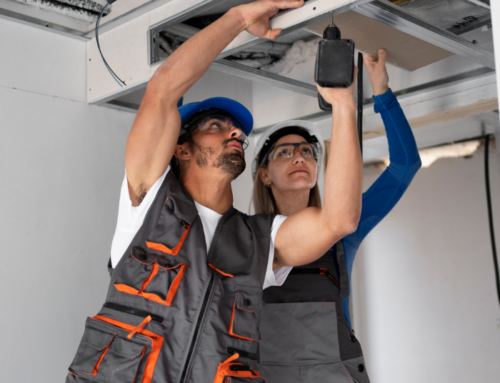
Employers value technicians who can apply what they’ve learned in real-world scenarios. Quality HVAC training programs emphasize hands-on labs and practical training, allowing students to work directly with HVAC equipment before graduating.
Start Your HVAC Career in Florida
Once certified, graduates can pursue roles such as HVAC installer, service technician, maintenance specialist, or commercial HVAC assistant. Florida’s growing population and commercial development continue to drive demand, making HVAC a stable and rewarding career choice.
Why Choose a Professional HVAC Training Program?
A professional HVAC technician training program helps you:
Learn faster with structured, focused instruction
Prepare for industry certifications
Build confidence through hands-on training
Improve job placement opportunities
Ready to launch your HVAC career in Florida?


Leave A Comment