

The HVAC industry is growing fast, and skilled technicians are in higher demand than ever. Whether you’re brand-new to the field or looking to switch careers, enrolling in an HVAC training program is one of the smartest moves you can make. These programs teach the hands-on, real-world skills employers want—so you can enter the workforce confident, job-ready, and competitive.
Below are the top skills you’ll learn in an HVAC training program and exactly why they matter to employers in today’s market.
1. Electrical Fundamentals
What You’ll Learn:
Reading wiring diagrams
Understanding electrical circuits
Safe handling and troubleshooting of electrical components
Why Employers Care:
HVAC systems rely heavily on electrical systems. Technicians who understand wiring and diagnostics can quickly identify problems, reduce downtime for customers, and avoid costly mistakes, making them highly valuable to employers.
2. Refrigeration Theory & Practice
What You’ll Learn:
Refrigeration cycles
Handling refrigerants safely
Charging, recovering, and leak detection
Why Employers Care:
Employers want techs who can handle refrigerants safely and legally. These skills are essential for A/C installation, service, and repair—three of the most in-demand tasks in the industry.
3. System Installation & Maintenance
What You’ll Learn:
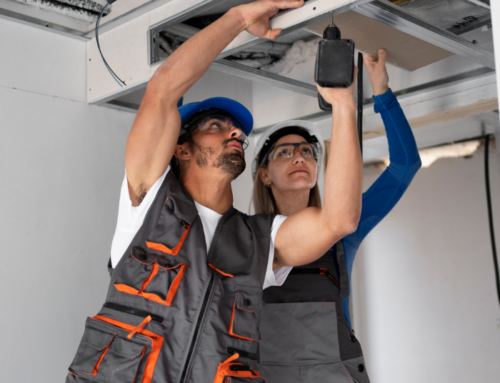
Installing residential and commercial HVAC systems
Routine maintenance procedures
Proper use of hand and power tools
Why Employers Care:
Companies rely on technicians who can perform clean, accurate installations and preventative maintenance. These tasks directly impact customer satisfaction and long-term system performance.
4. Diagnostic & Troubleshooting Skills
What You’ll Learn:
Identifying issues using gauges, meters, and advanced tools
Understanding error codes
Evaluating system performance
Why Employers Care:
Troubleshooting is one of the most valuable skills in the trade. Technicians who diagnose accurately save companies time and money while improving customer trust.
5. EPA Section 608 Certification Prep
What You’ll Learn:
Knowledge needed to pass the EPA 608 exam
Proper refrigerant handling and safety
Why Employers Care:
This certification is legally required for handling refrigerants. Employers prefer candidates who are certified—or ready to be—because it means they can begin working immediately.
6. Customer Service & Communication
What You’ll Learn:
Professional communication
Explaining system issues in simple terms
Providing excellent customer experience
Why Employers Care:
HVAC technicians represent the company in customers’ homes and businesses. Employers want techs who can explain issues clearly and build trust, which leads to repeat business and referrals.
7. Safety Procedures & OSHA Compliance
What You’ll Learn:
Jobsite safety standards
Proper use of PPE
Hazard awareness
Why Employers Care:
Safety-trained technicians reduce workplace accidents and liability risks. Employers look for workers who can stay compliant and keep job sites safe.
8. HVAC Tools & Technology
What You’ll Learn:
Digital diagnostic tools
Smart thermostat installation
Modern HVAC control systems
Why Employers Care:
The HVAC industry is becoming more tech-driven. Technicians who understand digital tools and smart systems are more efficient and adaptable—exactly what today’s companies need.
Final Thoughts
An HVAC training program equips you with the technical skills, safety knowledge, and certifications employers look for. With the industry projected to grow steadily, there’s never been a better time to start your HVAC career.
Ready to start your HVAC career?
Enroll in a professional HVAC training program today and get the hands-on skills employers are looking for. Take the first step toward a high-demand, high-paying career—contact an HVAC training school near you and get started now!


Leave A Comment