

The heating, ventilation, and air conditioning (HVAC) industry offers a stable and rewarding career path for individuals looking to work with their hands and solve real-world problems. Whether you’re just beginning your career journey or considering a switch to a more in-demand trade, understanding the HVAC technician career path—including salary expectations, required certifications, and training timelines—can help you make informed decisions.
💼 Career Overview
HVAC technicians are responsible for installing, maintaining, and repairing heating and cooling systems in residential, commercial, and industrial settings. As energy efficiency and indoor air quality become top priorities, skilled HVAC professionals are in higher demand than ever.
📈 Salary Expectations
One of the most attractive aspects of a career in HVAC is the earning potential.
Entry-Level HVAC Technicians
Mid-Level Technicians
Experienced/Senior Technicians
Wages can vary depending on location, level of certification, and specialization (e.g., commercial HVAC, refrigeration, or solar HVAC systems).
📜 Certifications You Need
Becoming a certified HVAC technician enhances your credibility and job opportunities. Common certifications include:
EPA Section 608 Certification (mandatory for handling refrigerants)
NATE Certification (North American Technician Excellence)
HVAC Excellence Certification
State or local licensing requirements
Many training programs include these certification exams as part of the curriculum, helping you save time and money.
⏱️ Training Timeline
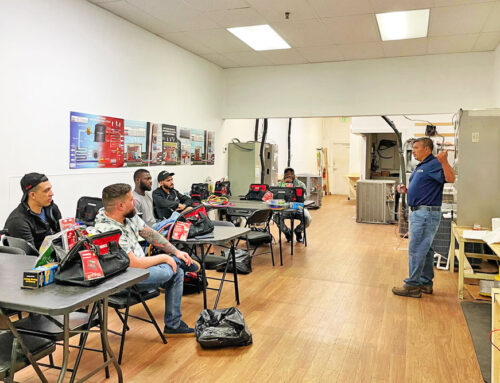
Traditional trade schools may take 1–2 years to complete. However, accelerated HVAC Technician Training Programs—like the one offered by our client—can prepare students for the workforce in as little as 6 months.
Our hands-on, real-world training model eliminates unnecessary delays and costs, focusing only on the skills and knowledge you’ll need on the job. This efficient training timeline makes it an ideal path for those looking to enter the workforce quickly.
🚀 Career Advancement Opportunities
HVAC careers can evolve into advanced roles, including:
HVAC Installer Supervisor
Project Manager
Energy Efficiency Consultant
Business Owner (Contracting Company)
With experience and continued education, many technicians move into higher-paying leadership or entrepreneurial roles.
A career in HVAC is not just about fixing AC units—it’s about providing comfort, safety, and energy solutions. With the right training, certifications, and hands-on experience, you can build a career that offers stability, great income potential, and long-term growth.
If you’re ready to begin your journey, explore our HVAC Technician Training Program today and take the first step toward a successful and rewarding career. Contact us.



Leave A Comment