

HVAC training teaches students how to diagnose, repair, and maintain the most common heating and cooling problems found in residential and commercial systems. From refrigerant leaks and electrical failures to thermostat issues and airflow restrictions, hands-on training prepares future technicians to solve real-world HVAC problems safely and efficiently while building the skills employers are looking for.
Key Facts
- HVAC technicians diagnose both heating and cooling system failures.
- Hands-on training helps students gain confidence with real equipment.
- Electrical troubleshooting is one of the most valuable skills you’ll learn.
- Proper airflow and refrigerant management improve system efficiency.
- Preventive maintenance helps reduce costly repairs.
- HVAC careers continue to be in high demand throughout Florida.
- Professional training prepares students for certification exams and entry-level employment.
What Are Common HVAC Problems?
Common HVAC problems are the issues that frequently affect air conditioning, heating, ventilation, and indoor air quality systems. These problems include poor airflow, refrigerant leaks, electrical failures, thermostat malfunctions, clogged filters, frozen evaporator coils, and worn mechanical components. HVAC training teaches students how to identify the cause of these issues and perform safe, effective repairs.
Why Learning HVAC Repairs Matters
Modern homes and businesses rely on HVAC systems every day to maintain comfort and indoor air quality. When these systems fail, customers expect fast, accurate repairs.
Learning to diagnose HVAC problems goes beyond replacing parts. Skilled technicians understand how different components work together and use systematic troubleshooting to identify the root cause of an issue.
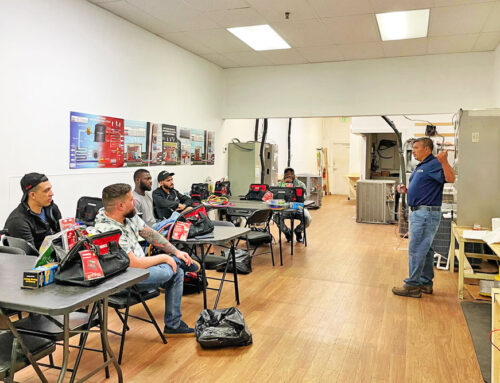
Professional HVAC training combines classroom instruction with hands-on practice, allowing students to work on real equipment before entering the workforce.
Common HVAC Problems You’ll Learn to Fix During Training
Refrigerant Leaks
One of the first problems students learn to diagnose is a refrigerant leak.
Low refrigerant levels can reduce cooling performance, increase energy consumption, and eventually damage the compressor.
During training, students learn how to:
- Detect refrigerant leaks
- Measure refrigerant pressure
- Repair damaged lines
- Recharge systems properly
- Follow EPA refrigerant handling guidelines
Understanding proper refrigerant management is essential for protecting both equipment and the environment.
Dirty or Clogged Air Filters
A clogged air filter may seem simple, but it can cause several HVAC problems.
Restricted airflow can lead to:
- Reduced cooling performance
- Frozen evaporator coils
- Higher utility bills
- Increased equipment wear
- Poor indoor air quality
Students learn how airflow affects overall system performance and why regular maintenance is one of the easiest ways to prevent costly repairs.
Faulty Thermostats
Many HVAC service calls involve thermostat issues rather than major equipment failures.
During training, students learn how to diagnose:
- Incorrect temperature readings
- Wiring problems
- Programming errors
- Battery failures
- Smart thermostat communication issues
Understanding thermostat operation helps technicians quickly identify problems that can often be resolved without replacing larger HVAC components.
Electrical Problems
HVAC systems depend on numerous electrical components to operate safely.
Students receive hands-on instruction diagnosing:
- Blown fuses
- Tripped breakers
- Failed contactors
- Defective capacitors
- Broken relays
- Loose electrical connections
Electrical troubleshooting is one of the most valuable skills employers look for because many HVAC failures are electrical in nature.
Frozen Evaporator Coils
Frozen evaporator coils are a common issue, especially during Florida’s long cooling season.
Students learn how frozen coils may result from:
- Dirty filters
- Blocked airflow
- Refrigerant leaks
- Dirty evaporator coils
- Faulty blower motors
Rather than simply thawing the system, future technicians learn how to identify and repair the underlying cause.
Poor Airflow Problems
Poor airflow reduces comfort while forcing HVAC systems to work harder.
Training includes diagnosing:
- Blocked ductwork
- Dirty blower wheels
- Failing blower motors
- Closed dampers
- Obstructed supply and return vents
Students learn how airflow testing helps improve comfort, efficiency, and equipment lifespan.
Capacitor Failures
Capacitors help start and run motors throughout HVAC systems.
When they fail, homeowners may notice:
- Clicking sounds
- Warm air from vents
- Outdoor unit won’t start
- Humming noises
- Frequent shutdowns
Students learn how to safely test capacitors using specialized electrical meters while following industry safety procedures.
Compressor Issues
The compressor is often called the heart of an air conditioning system.
Training covers symptoms such as:
- Hard starting
- Short cycling
- Overheating
- High amperage draw
- Internal compressor failure
Students learn that many compressor failures are actually caused by other unresolved system issues.
Drain Line Clogs
Condensate drain problems are especially common in humid climates like Central Florida.
Students practice clearing clogged drain lines while preventing:
- Water damage
- Mold growth
- Overflow shutoffs
- Indoor humidity problems
Proper maintenance of condensate systems helps protect both HVAC equipment and the building itself.
Furnace and Heating System Problems
Although Florida relies heavily on air conditioning, heating systems still require regular service.
HVAC students also learn to diagnose:
- Ignition failures
- Faulty flame sensors
- Gas valve problems
- Heat exchanger concerns
- Blower motor issues
This broad training prepares graduates to service complete HVAC systems year-round.
Preventive Maintenance Helps Prevent Most Repairs
One of the biggest lessons students learn is that many expensive repairs can be avoided through regular maintenance.
Preventive maintenance typically includes:
- Cleaning coils
- Replacing filters
- Checking refrigerant levels
- Inspecting electrical connections
- Lubricating moving parts
- Testing system performance
- Inspecting safety controls
These routine services improve energy efficiency and help extend equipment life.
Hands-On Training Builds Real Confidence
Reading about HVAC systems is only part of the learning process.
Students benefit most from working directly with:
- Air conditioning units
- Heat pumps
- Furnaces
- Refrigeration equipment
- Electrical diagnostic tools
- Recovery machines
- Vacuum pumps
- Digital manifolds
Hands-on practice prepares students for real service calls and builds confidence before entering the workforce.
Why Florida Offers Strong Opportunities for HVAC Technicians
Florida’s warm climate creates year-round demand for HVAC professionals. Residential homeowners, commercial businesses, schools, hospitals, hotels, and industrial facilities all depend on properly functioning heating and cooling systems.
As equipment becomes more energy-efficient and technologically advanced, employers increasingly seek technicians with formal training, practical experience, and a solid understanding of modern HVAC systems.
Comparison Table: DIY Learning vs. Professional HVAC Training
| Skill Area | Self-Taught Learning | Professional HVAC Training |
|---|---|---|
| Hands-on Experience | Limited | Extensive lab practice with real equipment |
| Electrical Diagnostics | Basic understanding | Comprehensive troubleshooting techniques |
| Refrigerant Handling | Usually unavailable | EPA-compliant training and procedures |
| Safety Practices | Self-guided | Industry-standard safety instruction |
| HVAC Tools | Limited access | Professional-grade diagnostic equipment |
| Instructor Support | None | Guidance from experienced HVAC professionals |
| Career Preparation | Unstructured | Designed for entry-level employment |
| Certification Readiness | Difficult | Preparation for industry-recognized certifications |
Common Mistakes New HVAC Technicians Make
Everyone starts somewhere, but understanding common mistakes early can help students become more successful technicians.
Replacing Parts Without Proper Diagnosis
One of the biggest mistakes is assuming a failed component is the root cause without completing a full system diagnosis.
Always verify the problem before replacing parts.
Ignoring Airflow Issues
Many cooling problems are actually airflow problems.
Dirty filters, blocked vents, or damaged ductwork can create symptoms similar to refrigerant issues.
Overlooking Electrical Connections
Loose wires and damaged electrical connections often cause intermittent system failures.
Learning to inspect electrical components carefully is an essential troubleshooting skill.
Skipping Preventive Maintenance
Routine maintenance is just as important as repairs.
Cleaning coils, replacing filters, and inspecting components can prevent many common breakdowns.
Failing to Follow Safety Procedures
HVAC systems involve electricity, refrigerants, moving components, and sometimes natural gas.
Professional training emphasizes safety every step of the way.
Expert Tips From HVAC Professionals
Learn How Systems Work Before Memorizing Repairs
Understanding airflow, refrigeration cycles, and electrical circuits makes troubleshooting much easier.
Practice Using Diagnostic Tools
Digital multimeters, refrigerant gauges, temperature probes, and airflow meters are tools you’ll use throughout your career.
The more comfortable you become with them during training, the more confident you’ll be in the field.
Stay Current With New Technology
Today’s HVAC systems often include:
- Smart thermostats
- Variable-speed equipment
- High-efficiency heat pumps
- Wi-Fi connectivity
- Advanced control boards
Continuing education helps technicians stay competitive.
Focus on Customer Communication
Technical skills are important, but explaining repairs clearly to customers builds trust and professionalism.
Never Stop Learning
HVAC technology continues to evolve.
Successful technicians invest in ongoing training throughout their careers.
Frequently Asked Questions
What HVAC problems do students learn first?
Most HVAC programs begin with basic electrical diagnostics, airflow principles, refrigeration fundamentals, thermostat operation, and preventive maintenance.
Do HVAC students work on real equipment?
Yes. Quality HVAC training programs provide hands-on experience using actual residential and commercial HVAC systems.
Is electrical troubleshooting difficult to learn?
It becomes much easier with structured instruction and hands-on practice. Students learn to safely test components and diagnose electrical failures step by step.
Will I learn to repair air conditioners?
Yes. HVAC training covers many common air conditioning repairs, including refrigerant issues, airflow problems, electrical diagnostics, and system maintenance.
Do HVAC technicians work only on residential systems?
No. HVAC technicians may work in homes, commercial buildings, schools, hospitals, retail facilities, restaurants, industrial buildings, and many other environments.
Is HVAC a good career in Florida?
Yes. Florida’s warm climate creates consistent demand for trained HVAC technicians throughout the year.
What tools will I learn to use?
Students commonly train with digital multimeters, refrigerant gauges, recovery machines, vacuum pumps, leak detectors, airflow meters, and other professional HVAC tools.
Does HVAC training prepare students for certification?
Many professional training programs help students prepare for industry certifications, including EPA refrigerant handling requirements and other entry-level credentials.
How long does it take to learn HVAC?
Program length varies, but structured HVAC training allows students to build practical skills much faster than learning independently.
Why is hands-on HVAC training important?
Hands-on training allows students to apply classroom knowledge, diagnose real problems, and build confidence before entering the workforce.
Why Choose HVAC Academy?
Choosing the right training program is one of the most important decisions you’ll make when starting an HVAC career.
HVAC Academy is committed to preparing students with practical skills, industry knowledge, and hands-on experience that employers value. Students learn from experienced instructors while working with real HVAC equipment in a supportive learning environment.
The curriculum focuses on diagnosing common HVAC problems, performing preventive maintenance, understanding electrical systems, and developing the technical skills needed for today’s residential and commercial HVAC industry.
Whether you’re beginning a new career or expanding your technical knowledge, HVAC Academy helps students build a strong foundation for long-term success in the HVAC field.
Contact us
Ready to begin a rewarding career in the HVAC industry?
At HVAC Academy, you’ll gain the hands-on experience, technical knowledge, and practical skills needed to diagnose and repair today’s most common HVAC problems with confidence.

Leave A Comment